Celestite (Celestine) – Blue Mineral Specimens from Utah
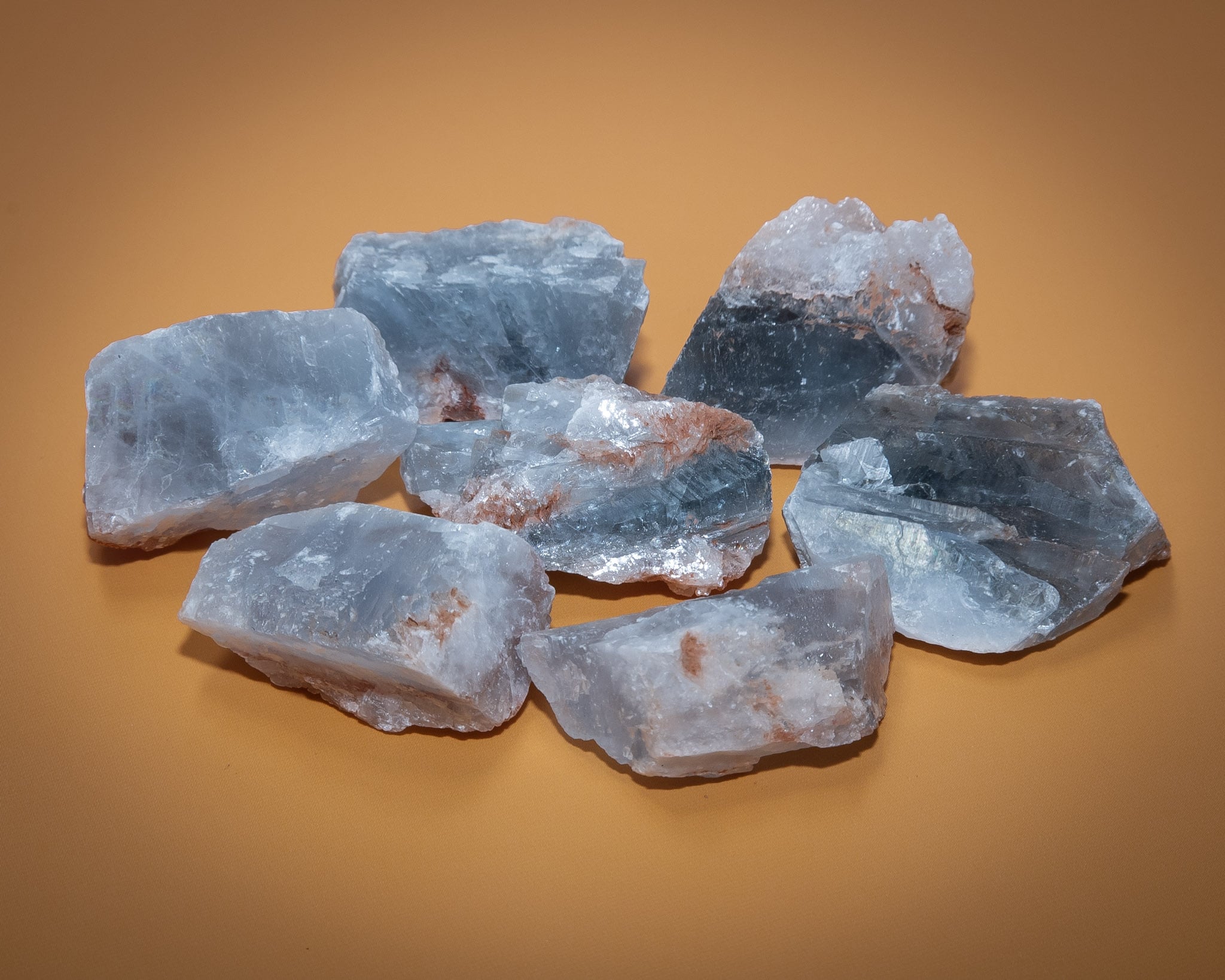
Discover the beautiful natural blue of Celestite, a striking mineral prized for its soft sky-blue to blue-gray coloration, subtle translucency, and distinctive crystalline structure. These substantial Celestite specimens from Utah offer an especially appealing combination of size, color, and natural character.
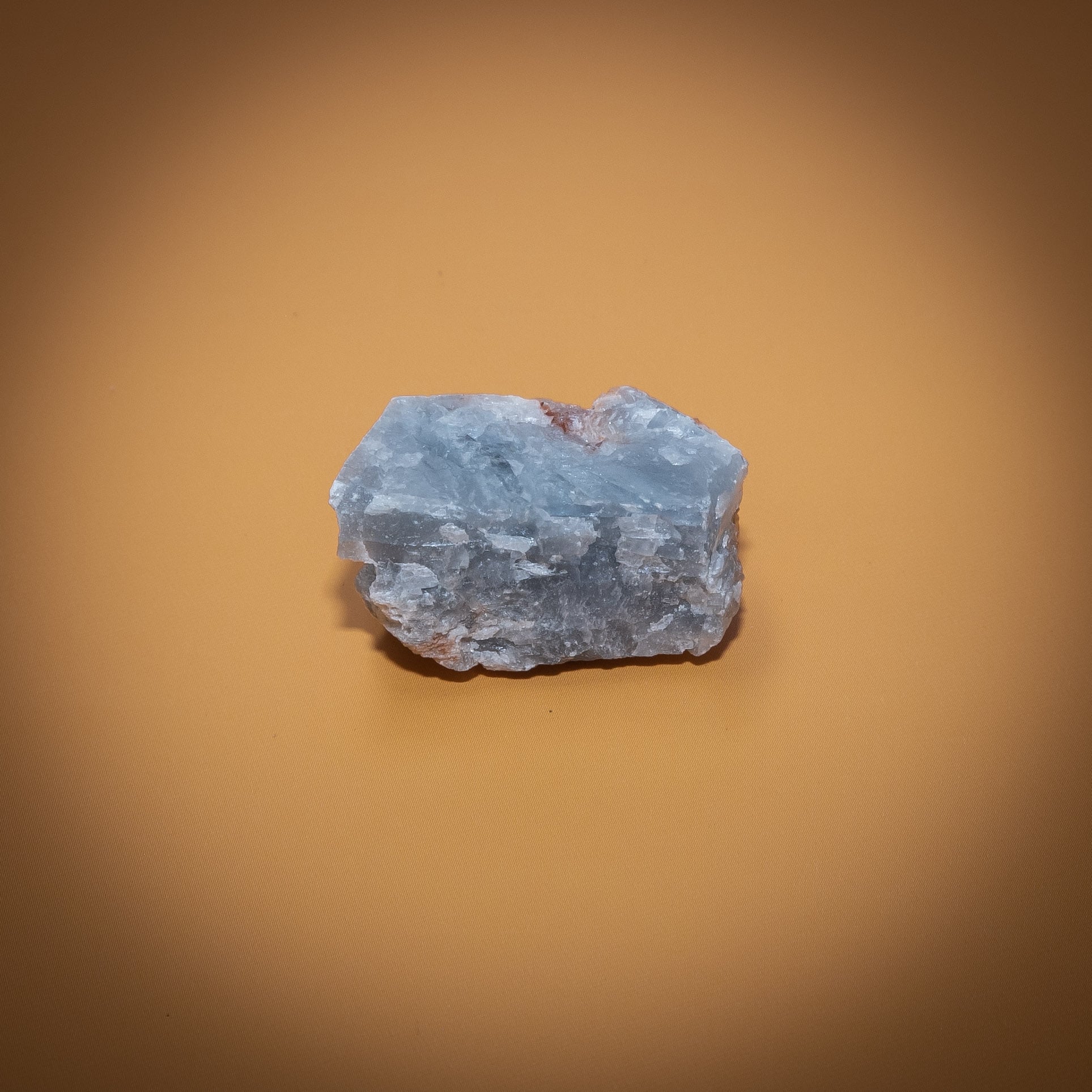
Often found in delicate crystal formations and geode interiors, Celestite is particularly captivating when it occurs in larger pieces. These specimens display lovely variations of pale blue, smoky blue-gray, and translucent white, with occasional warm reddish-brown mineral staining that adds contrast and individuality.
Utah Celestite is especially interesting to mineral collectors because of its documented regional occurrences and distinctive geological history. The San Rafael Swell region of Emery County is among the state's recognized Celestite localities, with additional occurrences documented around the Green River area and elsewhere in southeastern Utah.
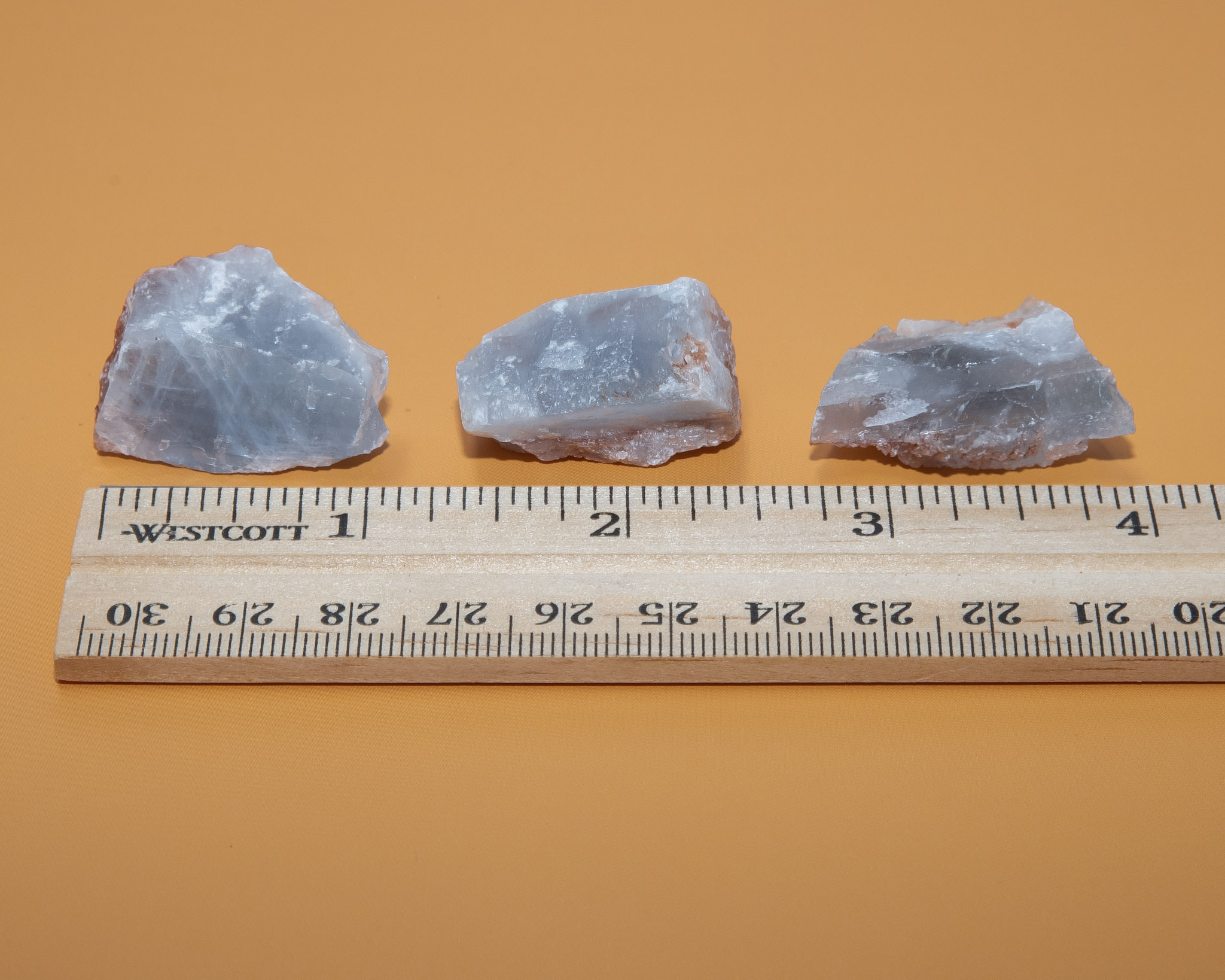
The combination of substantial specimen size, attractive blue coloration, and Utah provenance makes these pieces a wonderful addition to a mineral collection. Whether displayed as a natural geological treasure or collected for their mineralogical significance, each specimen offers a glimpse into the remarkable mineral diversity of the American Southwest.
Utah's Celestite: A Story Written in Stone
One of Utah's most notable Celestite-producing regions is the San Rafael Swell, a remarkable geological landscape in southeastern Utah. Known for its dramatic sandstone formations, colorful sedimentary layers, and deeply eroded canyons, this region has long attracted geologists, rockhounds, and mineral collectors.
Celestite occurrences have been documented in Emery and Wayne counties, including the San Rafael Swell region and areas associated with Green River and Hanksville. The historic Celestite Queen Mine near Green River is among the recognized Utah localities.
A particularly interesting chapter in this mineral's history comes from a 1943 report published by the Utah Geological and Mineralogical Survey. Geologists documented a significant Celestite occurrence on the San Rafael Swell in Emery County, describing beautiful pale-blue crystals within veins cutting through Entrada Sandstone.
The deposit had been known to local prospectors for years, and specimens were already represented in university mineral collections before its precise location was formally investigated. During World War II, Celestite also attracted industrial interest because it is an important natural source of strontium, which was needed for military applications including flares.
Today, Utah Celestite remains an interesting regional mineral for collectors, connecting the beauty of a blue crystal to the geological and mining history of the Colorado Plateau.
Mineralogical Properties
-
Mineral: Celestite, also known as Celestine
-
Chemical Formula: SrSO₄ (Strontium Sulfate)
-
Mineral Class: Sulfate
-
Crystal System: Orthorhombic
-
Color: Pale blue, sky blue, blue-gray, colorless, and occasionally white
-
Luster: Vitreous to pearly
-
Hardness: 3–3.5 on the Mohs scale
-
Streak: White
-
Transparency: Transparent to translucent
-
Specific Gravity: Approximately 3.9
-
Locality: Utah, United States; associated with documented occurrences in the San Rafael Swell and surrounding southeastern Utah region
Celestite is a strontium sulfate mineral recognized for its beautiful blue coloration and distinctive crystal habits. It commonly forms tabular or prismatic crystals, as well as radiating, fibrous, and massive crystalline aggregates.
Its blue color can range from delicate, almost icy shades to deeper blue-gray tones. Some specimens also display natural color variations and mineral inclusions that contribute to their individual appearance.
Celestite frequently forms in sedimentary environments, including cavities and mineral veins within limestone, sandstone, and other sedimentary rocks. It can also occur in geodes, sometimes alongside quartz, calcite, and other minerals.
Collector Appeal
Celestite is a favorite among mineral collectors for its distinctive color, crystalline formations, and interesting geological origins. While many familiar specimens are small crystals or geode fragments, larger pieces with attractive natural coloration offer a different kind of display appeal.
Utah's documented Celestite occurrences make these specimens especially interesting to collectors who appreciate minerals from the American Southwest. Their substantial size and natural variations in blue, gray, and white provide plenty of visual character.
Each specimen is naturally unique, with its own combination of color, translucency, texture, and mineral markings.
Specimen Information
-
Mineral: Natural Celestite (Celestine)
-
Origin: Utah, United States
-
Specimen Type: Natural mineral specimen
-
Color: Blue to blue-gray with natural variations
-
Appearance: Substantial rough crystalline pieces
-
Quantity: One specimen per purchase
Natural Variation: As with all of Mother Nature's creations, every Celestite specimen is unique. Color, shape, translucency, surface texture, and natural mineral markings will vary. You will receive one individual specimen similar in quality and appearance to those shown in the photographs.